
Your Guide to Seeing the Northern Lights with Hurtigruten
Your Guide to Seeing the Northern Lights with Hurtigruten: History, Science and How to Go from Melbourne.
For most Melburnians, "heading to Europe" implies escaping our dreary July drizzle for a Mediterranean summer—sipping spritzes in Positano or island-hopping in Greece. But there is a different kind of bucket-list trip that is rapidly gaining traction down south: embracing the cold to witness the world’s greatest light show.
Seeing the Northern Lights (Aurora Borealis) is a "once-in-a-lifetime" experience, and Norway is arguably the best place on Earth to see them. But for Australians travelling over 16,000km, you don’t want to risk standing in a freezing car park for one night, hoping for a break in the clouds. You want to maximise your odds.
This is where Hurtigruten Expeditions come in. For over 130 years, they have sailed the Norwegian coast, evolving from a vital postal service into the world’s leading expedition cruise operators.
As a preferred partner for Hurtigruten Expeditions in Melbourne, Emma Whiting Travel in Clifton Hill specialises in navigating the logistics of this polar adventure for Australian travellers. Here is your complete guide to the history, the science, and how to get there from Tullamarine.
From Postal Lifeline to Polar Pioneer: A Brief History of HX (Hurtigruten Expeditions)
To understand why these voyages are so unique compared to a standard cruise, you have to look back to the late 19th century.
1893: The Original Coastal Express
Before roads and rail connected the frozen north, coastal Norway was isolated. In 1893, shipping pioneer Richard With founded a steamship route to connect Trondheim and Hammerfest. He called it Hurtigruten—Norwegian for “the fast route”.
This wasn’t a luxury cruise; it was a lifeline. The ships carried mail, cargo, and locals between remote fishing villages. For over a century, the sight of the Hurtigruten funnel meant supplies, news from the south, and a connection to the outside world.
1896: The First Expedition Cruise
While the coastal route thrived, the company looked further north. In 1896, they launched the "Sportsman's Route" to Svalbard, effectively creating the world's first expedition cruise. This DNA—exploring remote, polar regions—is what eventually led to the modern expedition arm of the company.
Today: Two Brands, One Heritage
In recent years, the Hurtigruten Group has evolved its operations into two distinct brands to better serve travellers. While they share the same 130-year heritage, they offer different experiences:
Hurtigruten (The Coastal Express): These ships continue the legacy of the original route. They serve 34 ports along the Norwegian coast, carrying local passengers and goods alongside international tourists. It offers an authentic, culturally immersive experience where you are part of the local fabric.
HX (Hurtigruten Expeditions): This is the company's dedicated expedition brand (rebranded from Hurtigruten Expeditions to simply "HX" in late 2023). HX ships, like the hybrid-powered MS Roald Amundsen, focus on science, adventure, and exploring remote frontiers like the High Arctic, Antarctica, and the Galapagos.
Why Norway Became the Northern Lights Cruise Capital (and Why Aussies Love It)
While the Coastal Express started as a utility service, it gradually matured into one of the world's great tourism icons. By the late 20th century, the ships had become more comfortable, featuring panoramic lounges and higher-end dining, leading to the marketing of the route as "The World's Most Beautiful Voyage".
For Australians, Norway has hit the "sweet spot" over the last decade for several reasons:
Infrastructure: Unlike chasing auroras in remote parts of Canada or Alaska, Norway offers sophisticated infrastructure. You aren't roughing it; you are sailing on modern ships with warm cabins and gourmet food.
The "Double Whammy": You aren't just there for the lights. You get the dramatic, snow-capped fjords by day and the aurora by night.
The "Cold-Climate" Trend: As Melbourne summers get hotter, more Australians are seeking "cold-climate" bucket-list experiences rather than just beach trips.
Accessibility: With reliable flight connections from Melbourne (via Dubai, Doha, or Singapore) into Oslo, it is a straightforward extension to a European trip.
The Science of the Aurora: How the Northern Lights Actually Work
If you have been putting off this trip, the universe (literally) is telling you to go now.
What Causes the Northern Lights?
The Northern Lights are caused by electrically charged particles from the sun smashing into Earth's upper atmosphere. These particles are guided by Earth's magnetic field toward the poles, creating a ring of activity known as the "Auroral Oval". When they collide with gases like oxygen and nitrogen, they light up—creating the dancing green, pink, and violet ribbons we see from the ground.
Understanding the Solar Cycle (And Why 2024–2026 is Critical)
The sun goes through an 11-year cycle of activity.
Solar Minimum: Fewer sunspots, less solar wind, quieter auroras.
Solar Maximum: High sunspot activity, powerful solar storms, frequent and intense auroras.
Why go now? We are currently in Solar Cycle 25, which is proving to be much stronger than originally predicted. Scientists estimate the "Solar Maximum" will peak between late 2024 and early 2026.
This means the mid-2020s offer the highest probability of seeing spectacular displays in decades. If you have been waiting for the right time to plan a Northern Lights cruise, this is it.
Where to See the Northern Lights with Hurtigruten
Seeing the aurora isn't just about going "north." It's about being in the right zone. The Auroral Oval sits directly over Northern Norway, making it one of the most reliable places on the planet for sightings.
Both Hurtigruten and HX take you deep into this zone, but they do it differently.
1. The Coastal Express (Hurtigruten)
This is the classic voyage. Ships sail from Bergen to Kirkenes (and back), hugging the coastline.
The Route: You visit 34 ports, 22 of which are above the Arctic Circle.
The Experience: You spend 6-7 days sailing directly beneath the Auroral Oval. Because the ship is constantly moving along the coast, it can often sail out from under cloud cover, finding pockets of clear sky that land-based travellers might miss.
Northern Lights Promise: On selected voyages of 11 days or more (between late September and late March), if the lights don't appear, you get a free voyage to try again.
2. Hurtigruten Norway Expeditions
Hurtigruten offers dedicated expedition cruises, such as the Arctic Norway – Expedition Under the Northern Lights itinerary.
The Focus: These voyages are less about transport and more about exploration. You might spend longer in key areas like the Lyngen Alps, Senja, or Lofoten.
The Ships: Smaller, expedition-class vessels with Science Centers and expedition teams that lead snowshoeing, kayaking, and scientific lectures.
Comparison: Which Voyage fits you?
| Feature | Hurtigruten Coastal Express | HX Expeditions |
|---|---|---|
| Primary Focus | Culture, Scenery, Coastal Life | Science, Adventure, Exploration |
| Ports of Call | 34 (Frequent stops, short duration) | Fewer (Longer stops, deeper exploration) |
| Vibe | "Local Norway" (Mail & Cargo) | "Expedition Basecamp" |
| Northern Lights Focus | Excellent (Mobile Observatory) | Excellent (Deep Arctic focus) |
| Best For... | Travellers wanting the classic fjord experience | Active travellers wanting hiking/science |
Emma Whiting Travel can help you get exclusives deals via their official Hurtigruten partnership, ensuring you pick the right ship for your travel style.
Best Time to See the Northern Lights in Norway
A common misconception is that you need to go in the absolute depth of winter (December/January). While that is a great time, the season is actually much longer.
The aurora happens year-round, but you need darkness to see it. In Norway, the season runs from late September to late March.
Seasonal Breakdown for Australians
September – October (Autumn):
Pros: Milder temperatures (often above freezing), beautiful autumn colours in the fjords.
Cons: Nights are shorter than mid-winter, so your viewing window is smaller.
Melbourne Context: A great time to escape the confusing "Spring" weather in Melbourne.
November – February (Deep Winter):
Pros: Longest nights (Polar Night in some areas), classic snowy landscapes, "Winter Wonderland" vibe.
Cons: It is cold. Very cold. You need serious gear.
Melbourne Context: You are trading our summer heatwaves for a true Arctic winter.
March (Spring Equinox):
Pros: Days are getting longer (good for sightseeing), but nights are still dark enough for aurora. Often historically active for solar storms.
Cons: Snow can start to melt in southern areas.
Planning a Northern Lights Cruise from Melbourne
For Melburnians, a trip to Norway is a significant journey, but it is easily manageable with the right planning.
The Route from Tullamarine (MEL)
There are no direct flights from Australia to Norway. The most common routes involve one stop in the Middle East or Asia, followed by a short hop within Europe.
Typical Route: MEL → Dubai (DXB) / Doha (DOH) → Oslo (OSL).
Connection: From Oslo, you will typically fly to Bergen (to start the northbound cruise) or Kirkenes (to start southbound).
Travel Time: Expect roughly 24–30 hours of total travel time.
Recommended Itinerary Structure
We recommend creating a 2–3 week itinerary to make the long haul worth it:
Stopover: Consider breaking the journey in Dubai or Singapore for 1-2 nights to combat jet lag.
Pre-Cruise: Spend 2-3 nights in Oslo or Bergen. Take the famous Bergensbanen train between the two cities—it's a winter spectacular in itself.
The Cruise: A 12-day Roundtrip (Bergen-Kirkenes-Bergen) is the gold standard, giving you maximum time in the aurora zone.
Buffer Days: Always leave a buffer day before the cruise in case of flight delays. Winter weather in Europe can affect schedules.
Emma Whiting Travel can package your flights, pre-cruise hotels, rail journeys, and the voyage itself into one seamless itinerary.
How to Maximise Your Chance of Seeing the Northern Lights
You have flown across the world; let’s make sure you see them.
1. Location, Location, Location
You need to be inside the Auroral Oval. A cruise is superior to a land-based hotel because the ship is mobile. If it is cloudy in Tromsø, the ship might be sailing 50km away where the skies are clear.
2. Length of Stay
Don't go for a weekend. Aim for at least 4–5 nights inside the Arctic Circle. A 12-day Coastal Express voyage spends 6 nights in the auroral zone, drastically increasing your statistical probability of a sighting.
3. Trust the "Northern Lights Promise"
This is Hurtigruten’s ultimate reassurance for Australians.
The Deal: If you sail on a voyage of 11 days or more during the aurora season (Sep–Mar) and the Northern Lights do not appear within sight of the ship, Hurtigruten will give you a 6 or 7-day Coastal Express voyage FREE of charge.
Note: This applies if the lights are not recorded in the ship's logbook. It’s a huge safety net for your investment.
4. Use the "Aurora Alert"
Don't stay awake all night staring at the ceiling. Hurtigruten ships have an "Aurora Alert" system. You can turn this on in your cabin phone/TV. If the bridge crew spots the lights at 2:00 AM, they will make an announcement directly to your room so you can throw on your coat and run to the deck.
What to Pack and How to Photograph the Northern Lights
Packing for the Arctic is very different from packing for a week on the Gold Coast
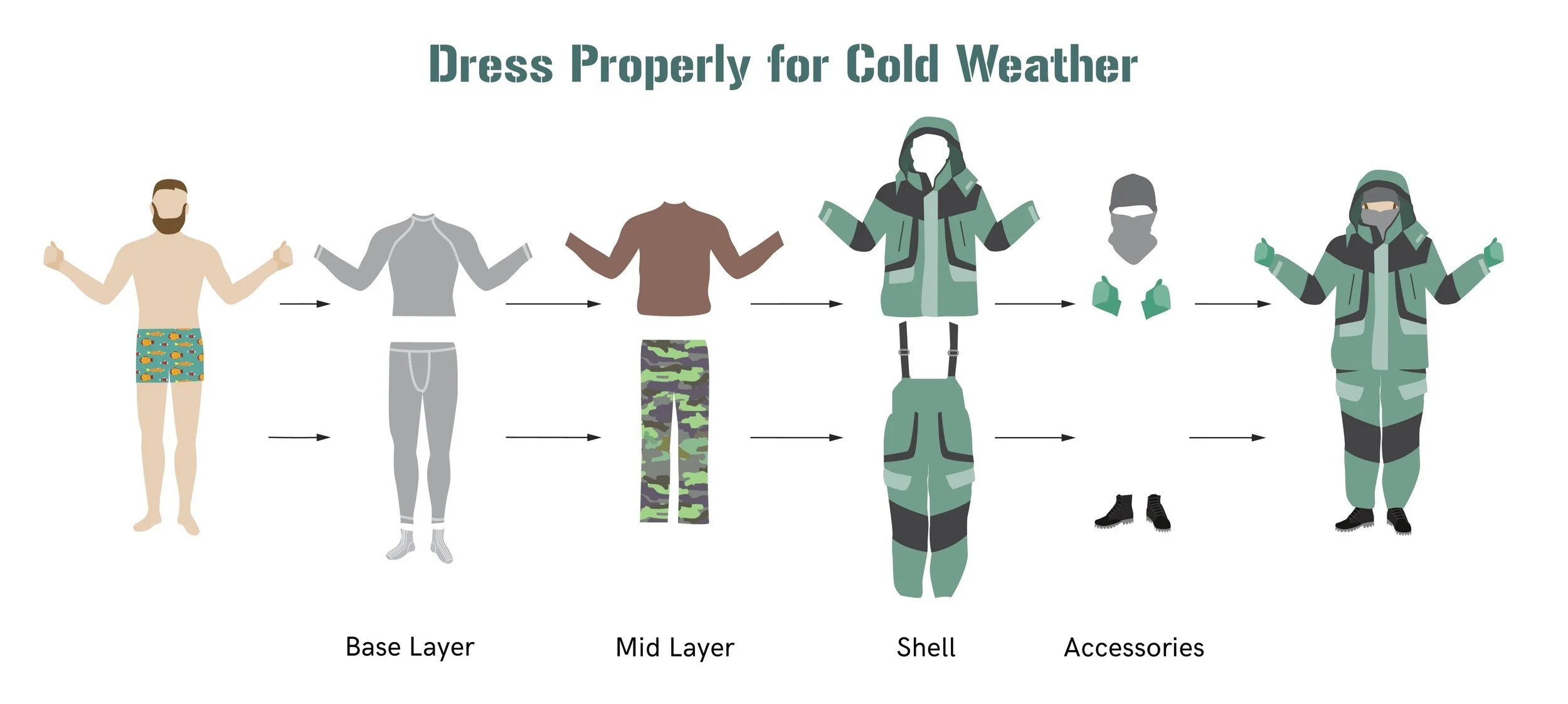
Essential Clothing & Gear
The key is layers. The air inside the ship is warm (t-shirt weather), but the deck is freezing.
Base Layer: Merino wool thermal top and leggings (essential).
Mid Layer: Fleece or thick wool jumper.
Outer Layer: Windproof and waterproof down jacket.
Extremities: Beanie (that covers ears), neck warmer (buff), two pairs of gloves (thin liners for using your phone/camera, thick mittens for warmth).
Feet: Thick wool socks. The ship is stable, but decks can be icy—good grip boots are vital.
Note: HX Expedition cruises often include a rental of high-quality winter boots and provide a parka to keep, saving you from buying heavy gear in Melbourne.
Northern Lights Photography Basics
You don't need to be a pro, but you do need the right settings.
Tripod: Essential. You cannot hand-hold a 5-second exposure on a moving ship. (Clamp-style tripods are great for ship railings).
Camera: Manual mode capable.
Settings:
Focus: Manual Focus set to "Infinity" (∞).
Aperture: Wide open (lowest f-number, e.g., f/2.8).
ISO: High (1600–3200+).
Shutter Speed: 2–8 seconds (too long and the ship's movement will blur the stars).
Battery: Cold kills batteries. Bring spares and keep them in your internal pocket against your body heat.
Why Book Your Northern Lights Cruise with Emma Whiting Travel
Booking a polar expedition isn't like booking a flight to Sydney. There are complex logistics, cabin choices, and route options that can make or break your trip.
Emma Whiting Travel is a preferred partner for Hurtigruten and HX. Located in Clifton Hill, Victoria, we offer:
Expert Product Knowledge: We understand the difference between the Coastal Express and HX Expeditions, ensuring you end up on the ship that matches your vibe.
Cabin Selection: We know which cabins have obstructed views and which offer the best access to the observation decks.
Flight & Rail Packaging: We handle the complex connections from Melbourne to Northern Norway, including stopovers and winter rail tickets.
Local Support: If a snowstorm delays your flight in Oslo, you have a local Australian contact to help rearrange your transfer, rather than sitting on hold to a European call centre at 3:00 AM.
Visit our Hurtigruten Cruises sales to see current offers, then contact us to tailor the package to your needs.
FAQs: Northern Lights Cruises to Norway from Australia
1. When is the best time to see the Northern Lights in Norway on a cruise?
The season runs from late September to late March. For the absolute best balance of darkness and activity, November to February is peak season, though March often offers clearer skies and milder weather.
2. Which Hurtigruten voyage is best for seeing the Northern Lights?
The 12-Day Classic Roundtrip Voyage (Bergen-Kirkenes-Bergen) on the Coastal Express is widely considered the best option. It spends 6 nights in the auroral zone and is eligible for the Northern Lights Promise.
3. Are the Northern Lights guaranteed on a Norway cruise?
Nature can never be 100% guaranteed. However, Hurtigruten is so confident in their route that they offer the Northern Lights Promise: if the aurora does not appear on your 11+ day voyage (Sep-Mar), you get a free 6 or 7-day voyage.
4. How long should I go for if I’m travelling from Melbourne to see the Northern Lights?
Given the 24+ hour travel time, we recommend a minimum trip of 14–21 days. This allows for the 12-day cruise plus travel days and stopovers in Oslo or Bergen to adjust to the time zone.
5. How cold will it be on a Northern Lights cruise, and what should I pack?
Expect temperatures between -5°C and -20°C in Northern Norway. Pack thermal base layers (merino wool), a windproof/waterproof outer layer, and sturdy, insulated boots. The ship interiors are warm, so layers are your best friend.
